
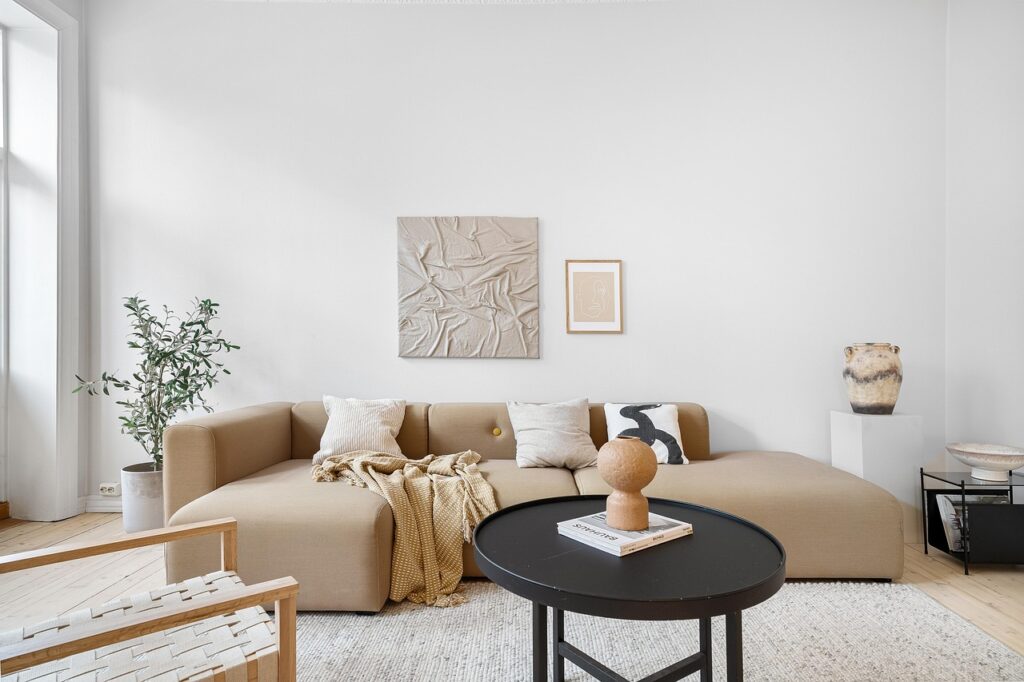
7 Smart Ways to Hide Ugly Floors on Any Budget
Ugly floors have a way of ruining an entire room. You can have fresh paint, nice furniture, and good lighting, but if the floor looks worn, stained, or outdated, it pulls everything down.
The good news is you don’t need to tear everything out or spend thousands to fix it. There are plenty of smart ways to cover ugly floors and make them look intentional, cozy, or even stylish.
Below are practical ideas that work for renters, homeowners, and anyone on a budget.
1. Use Area Rugs to Hide the Worst Spots
This is the easiest and most popular option for a reason.
Large area rugs can cover cracked tile, stained carpet, scratched hardwood, or dated vinyl. Choose a rug big enough to anchor the space so it looks planned, not like you’re hiding something.
Tips that make it work:
- Go bigger than you think. Small rugs make flaws more obvious.
- Layer rugs for texture and coverage.
- Use rug pads to prevent slipping and bunching.
Rugs are especially helpful in living rooms, bedrooms, and dining areas.
2. Try Peel-and-Stick Floor Tiles
Peel-and-stick tiles have come a long way. Many look like real wood, stone, or patterned tile, and they’re easy to install without tools.
They work well over:
- Old vinyl
- Linoleum
- Flat tile
- Concrete
They’re also renter-friendly if you choose removable versions and install carefully.
Best places to use them:
- Kitchens
- Bathrooms
- Laundry rooms
- Entryways
3. Cover Floors With Vinyl Sheet Flooring
If your floor is ugly but flat, sheet vinyl can be a game-changer.
It comes in rolls, cuts easily, and can be laid right over existing floors. Some people even float it without glue for temporary coverage.
Modern designs often mimic the look of wood planks, tile, or stone and are significantly softer underfoot than their older counterparts.
4. Use Floor Mats in High-Traffic Areas
For small problem spots, floor mats can do a lot of work.
Place them:
- In front of sinks
- By doors
- Along hallways
- Near pet areas
Choose mats that match your decor so they feel intentional, not like a patch job.
5. Paint the Floor
Painting a floor isn’t for everyone, but when done right, it can completely change a space.
This works best on:
- Wood floors
- Plywood
- Concrete
You can go solid, add a stencil pattern, or even create a checkerboard look.
Important note: Use floor-specific paint and seal it properly so it holds up.
6. Layer With Carpet Tiles
Carpet tiles are another flexible option. They’re modular, easy to replace, and available in a variety of colors and textures.
They’re great for:
- Basements
- Home offices
- Playrooms
- Rental spaces
If one tile gets damaged, you just swap it out.
7. Use Furniture to Your Advantage
Sometimes the fix isn’t the floor itself, but how it’s styled.
Strategic furniture placement can hide damaged areas while improving flow:
- Use a sofa or bed to cover stained sections
- Add a bench or console along worn edges
- Anchor seating with a rug underneath
This works best when combined with one of the options above.
Final Thoughts
Ugly floors don’t mean your home is hopeless. With the right cover-up, you can make a space feel cleaner, warmer, and more put together without ripping anything out.
Whether you use rugs, tiles, paint, or vinyl, the key is choosing something that fits your lifestyle and looks intentional. Small changes can make a big difference, and your floors don’t have to be perfect to look good.