
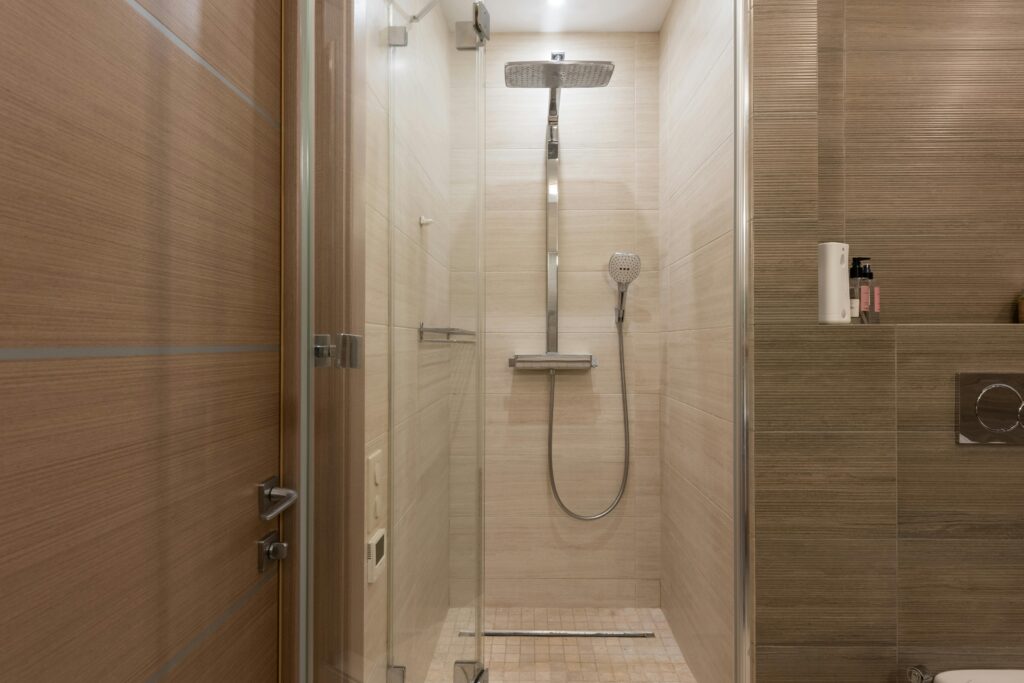
Leaky Shower Door? Simple Fixes That Actually Work
A leaking shower door is more than annoying. That small puddle on the bathroom floor can lead to warped baseboards, mold, and slippery messes you don’t want to deal with. The good news? Most shower door leaks are easy to fix and don’t require special tools or a full replacement.
In this guide, you’ll learn why shower doors leak and how to fix the problem step by step.
Why Shower Doors Leak in the First Place
Before fixing the issue, it helps to know what’s causing it. Most shower door leaks come from one of these problems:
-
Worn or damaged door seals
-
Gaps between the door and the frame
-
Loose hinges or misaligned doors
-
Cracked or missing caulk
-
Water hitting the door at the wrong angle
Once you spot the cause, the fix is usually straightforward.
Check the Door Sweep (The Most Common Problem)
The door sweep is the clear or vinyl strip along the bottom of the shower door. Its job is to keep water inside the shower. Over time, it can crack, harden, or fall off.
How to fix it:
-
Open the shower door and inspect the bottom edge.
-
If the sweep looks worn or brittle, pull it off.
-
Measure the length and buy a replacement sweep that matches your door type.
-
Slide or snap the new sweep into place.
This fix alone stops leaks in many cases.
Inspect the Side Seals and Frame Gaps
If water leaks from the sides of the door, the vertical seals may be the issue. These seals can shrink or bend, leaving small gaps.
What to do:
-
Look for light coming through the sides when the door is closed.
-
Replace damaged side seals with new ones cut to size.
-
Make sure the seal presses snugly against the glass or frame.
A tight seal makes a big difference.
Tighten Loose Hinges and Adjust the Door
A door that’s slightly out of alignment can let water escape even if the seals are fine.
Quick check:
-
Gently lift the door to see if it moves.
-
Tighten any loose hinge screws with a screwdriver.
-
If the door rubs or doesn’t close evenly, adjust the hinges until it sits square in the frame.
This only takes a few minutes but often solves stubborn leaks.
Replace Old or Cracked Caulk
Caulk keeps water from sneaking behind the frame. When it cracks or peels, leaks follow.
How to re-caulk properly:
-
Remove old caulk with a scraper or utility knife.
-
Clean and dry the area completely.
-
Apply a thin, even bead of bathroom-grade silicone caulk.
-
Smooth it with your finger or a caulk tool.
-
Let it cure before using the shower.
Avoid caulking the inside bottom edge of framed doors. That area usually needs to drain.
Watch How the Water Hits the Door
Sometimes the door isn’t the problem at all. A showerhead aimed directly at the door can force water through small gaps.
Easy fix:
-
Adjust the showerhead angle so water sprays toward the wall, not the door.
-
Consider a splash guard if water still escapes.
Simple changes like this can prevent repeat leaks.
When It’s Time to Replace Parts or Call a Pro
If you’ve tried these fixes and the leak won’t stop, the door frame may be warped or damaged. At that point, replacing parts or calling a professional may be the best move.
Still, most shower door leaks can be handled with basic tools and a little patience.
Final Thoughts
A leaking shower door doesn’t mean you need a new bathroom. In most cases, it’s a small issue like a worn seal or loose hinge. With the right fix, you can stop the drip, protect your floors, and enjoy a dry bathroom again.