
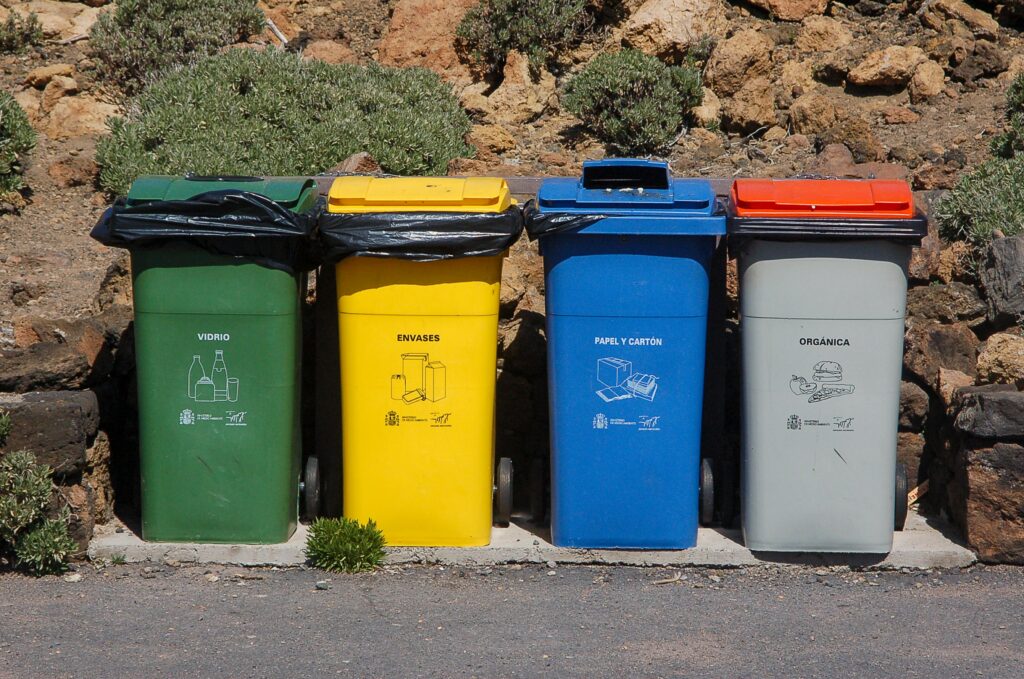
Say Goodbye to Muddy Trash Cans: How to Install a Concrete Pad the Right Way
If your trash bins sit on dirt or grass, you’ve probably dealt with mud, ruts, and tipped-over cans. It looks messy, and over time it can damage your yard.
A small concrete pad fixes that problem. It keeps your bins level, clean, and easy to roll in and out. The best part? It’s a manageable DIY project if you plan it right.
Here’s how to install a concrete pad for trash bins step by step.
Why Install a Concrete Pad for Trash Bins?
Before we get into the steps, let’s talk about why this project is worth doing.
A concrete pad:
-
Keeps trash bins from sinking into soil
-
Prevents mud and standing water
-
Makes rolling bins easier
-
Improves the look of your yard
-
Adds a low-maintenance surface that lasts for years
If you’re already tired of dealing with a soggy or uneven spot near your driveway, this is a solid upgrade.
Tools and Materials You’ll Need
Keep it simple. Here’s what you’ll want on hand:
-
Shovel
-
Tape measure
-
Wooden stakes and string
-
Level
-
Gravel (for the base)
-
2×4 boards (for framing)
-
Screws or nails
-
Concrete mix (bags or ready-mix delivery)
-
Wheelbarrow and hoe (if mixing by hand)
-
Trowel
-
Float
-
Concrete edger (optional but helpful)
For most homes, a pad around 4 feet by 6 feet works well for two bins. Adjust the size to fit your space.
Step 1: Choose the Right Location
Pick a flat spot close to where you already keep your bins. Many people place it next to the driveway or along the side of the house.
Make sure:
-
Water drains away from the house
-
There are no buried utility lines
-
The location is easy to access on trash day
Call your local utility marking service before digging if you’re unsure.
Step 2: Measure and Mark the Area
Use stakes and string to outline your pad. Double-check the measurements before digging.
A good rule: add a few extra inches around your bins so you’re not squeezing them into a tight space.
Step 3: Dig and Prepare the Base
Dig down about 4 to 6 inches. Remove grass, roots, and loose soil.
Next:
-
Add 2 to 3 inches of gravel.
-
Spread it evenly.
-
Compact it firmly.
The gravel base helps with drainage and keeps the concrete from cracking over time. Don’t skip this step.
Step 4: Build the Form
Use 2×4 boards to create a frame around the area. Secure the boards with screws or stakes on the outside to hold them in place.
Check that:
-
The frame is level.
-
The top edge is even all the way around.
This frame will shape your concrete pad, so take your time here.
Step 5: Mix and Pour the Concrete
Follow the instructions on your concrete mix. If you’re using bagged mix, combine it with water in a wheelbarrow until it reaches a thick but workable texture.
Pour the concrete into the frame. Spread it evenly with a shovel.
Tap the sides of the form lightly to help remove air pockets.
Step 6: Level and Smooth the Surface
Use a straight 2×4 to screed the top. That means dragging it across the surface to level the concrete.
After that:
-
Use a float to smooth the surface.
-
Round the edges with a concrete edger if you have one.
If you want a non-slip finish, lightly brush the surface once it begins to set. This adds texture and helps prevent slipping when it’s wet.
Step 7: Let It Cure
Let the concrete set for at least 24 to 48 hours before placing your trash bins on it. Avoid heavy weight for a few days.
If the weather is hot, lightly mist the surface with water during the first day to help prevent cracking.
Concrete continues to strengthen over time, but after a few days, it’s ready for normal use.
Tips for a Better Result
-
Slightly slope the pad away from your house for drainage.
-
Don’t rush the leveling process. A smooth, even surface makes a big difference.
-
If you live in a cold climate, consider adding reinforcement like wire mesh to reduce cracking.
A little extra care now saves repairs later.
Final Thoughts
Installing a concrete pad for trash bins is one of those small projects that makes daily life easier. No more muddy wheels. No more crooked cans. Just a clean, solid surface that stays put.
You don’t need special skills. Just basic tools, a free weekend, and a bit of patience.
Once it’s done, you’ll wonder why you didn’t do it sooner.