
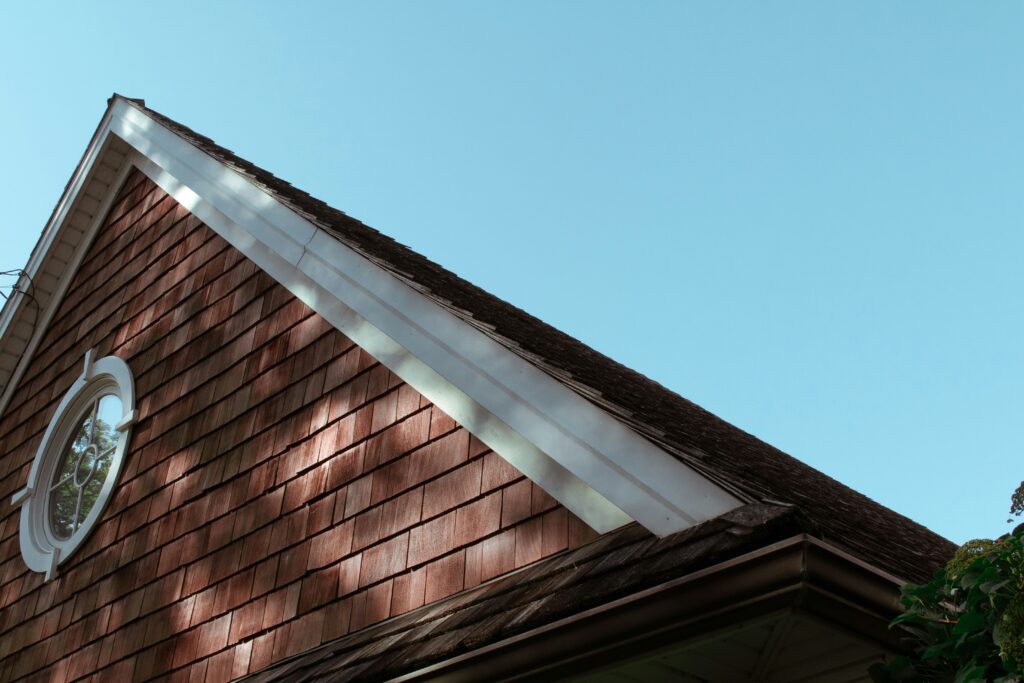
Fix That Leak Fast: A Simple Guide to Repairing Roof Flashing
Roof leaks don’t usually start big. Most of the time, it’s a small issue like damaged flashing that lets water sneak in. The good news is you don’t always need to call a roofer right away. If the damage is minor, you can fix it yourself with a bit of time and care.
This guide walks you through how to repair a small section of roof flashing in a way that’s practical and easy to follow.
What Is Roof Flashing (and Why It Matters)
Flashing is the thin metal placed around areas like chimneys, vents, and roof edges. Its job is simple: keep water from getting into places it shouldn’t.
When flashing cracks, rusts, or lifts up, water can slip underneath and cause damage to your ceiling, insulation, or walls.
Signs Your Flashing Needs Repair
Before you grab tools, make sure flashing is really the problem. Look for:
-
Water stains on ceilings or walls
-
Dripping during rain
-
Rust or visible cracks in metal
-
Loose or lifted edges around roof features
If the damage is limited to one small spot, you’re likely dealing with a repair—not a full replacement.
Tools and Materials You’ll Need
Keep it simple. Here’s what most small repairs require:
-
Roofing cement or sealant
-
Replacement flashing (if needed)
-
Roofing nails
-
Hammer
-
Putty knife
-
Wire brush
-
Gloves
If you’re working on a sloped roof, don’t skip proper footwear and safety precautions.
Step-by-Step: How to Repair Roof Flashing
1. Clean the Area
Start by removing dirt, debris, and any loose material around the damaged flashing. A wire brush helps get rid of rust and old sealant.
A clean surface makes sure the new material sticks properly.
2. Check the Damage
Take a close look. If the flashing is only slightly cracked or has small gaps, you can seal it. If it’s badly bent or rusted through, you’ll need to replace that section.
3. Apply Roofing Sealant
For small cracks or gaps:
-
Use a putty knife to spread roofing cement over the damaged area
-
Cover the crack fully and smooth it out
-
Extend slightly beyond the damaged spot for better protection
This acts as a waterproof barrier.
4. Replace a Small Section (If Needed)
If the damage is too big to seal:
-
Carefully lift the shingles around the flashing
-
Remove the damaged piece
-
Slide the new flashing into place
-
Nail it down securely
-
Seal the edges with roofing cement
Make sure everything lies flat so water flows off the roof, not under it.
5. Seal and Finish
Once everything is in place, apply a final layer of sealant around the edges. This extra step helps prevent future leaks.
Let it dry based on the product instructions.
Tips to Make the Repair Last
-
Check your roof after heavy rain
-
Keep gutters clean so water doesn’t back up
-
Fix small issues early before they grow
A quick repair now can save you from bigger problems later.
When to Call a Professional
If you notice widespread rust, multiple leaks, or structural damage, it’s best to bring in a roofer. Climbing on a roof also isn’t for everyone, especially if it’s steep or slippery.
Final Thoughts
Repairing a small section of roof flashing is one of those jobs that looks harder than it is. With the right approach, you can stop a leak before it turns into costly damage.
Take your time, stay safe, and focus on doing it right. A small fix today can protect your home for years to come.