
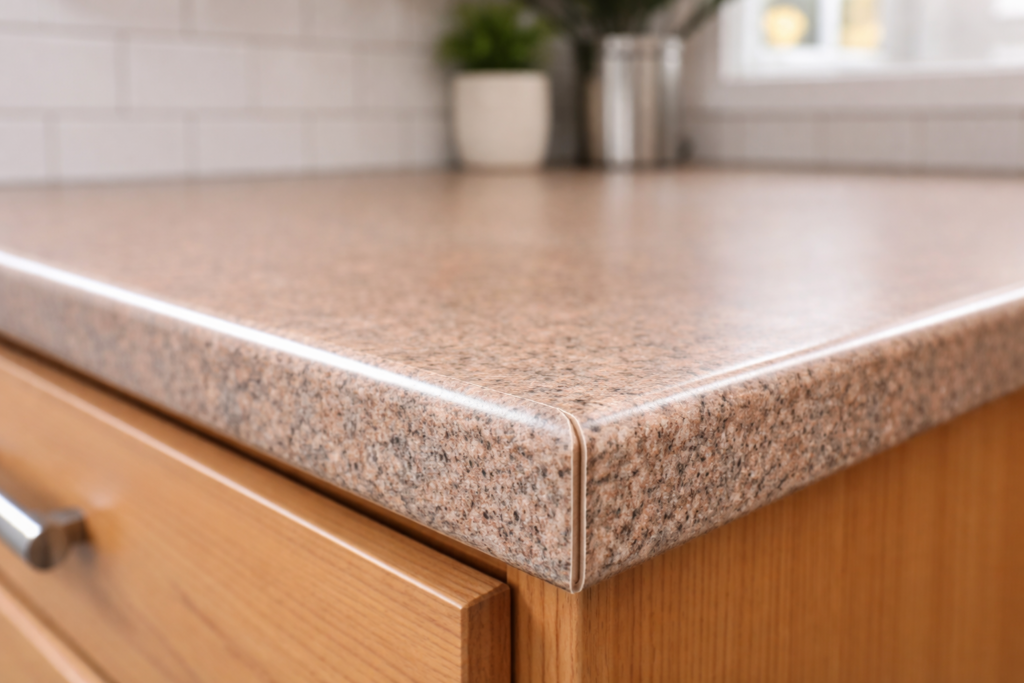
Peeling Laminate? Here’s the Easy Fix You Can Do Today
Peeling laminate can make even a clean space look worn out. You’ll usually notice it on cabinets, countertops, or furniture edges where the top layer starts to lift or bubble. It’s frustrating, but the good news is you don’t always need to replace the whole piece.
With a bit of time and the right approach, you can fix it yourself and make it look decent again.
Let’s walk through what actually works.
Why Laminate Starts Peeling
Before fixing it, it helps to know what caused it:
- Heat exposure – especially near stoves or appliances
- Moisture – water seeping into edges or cracks
- Old adhesive – glue naturally weakens over time
- Wear and tear – daily use, especially on corners and edges
If you don’t address the cause, the problem will come back.
What You’ll Need
You don’t need anything fancy. Most of these are easy to find:
- Strong adhesive (contact cement or laminate glue)
- Roller or a flat object (like a book)
- Clean cloth
- Clamp or heavy object
- Toothpick or small brush
- Hairdryer or heat gun (optional)
Step-by-Step: Fixing Peeling Laminate
1. Clean the Area First
Dirt and grease can stop glue from sticking.
Wipe both the surface and the underside of the laminate with a clean, slightly damp cloth. Let it dry completely.
2. Lift the Laminate Carefully
Gently pull back the loose section. Don’t force it. If it resists, warm it slightly with a hairdryer to soften the old glue.
3. Apply Adhesive Evenly
Use a toothpick or brush to spread glue under the lifted laminate.
Make sure you cover the entire area, especially the edges. Missing spots will lead to more peeling later.
4. Press It Back Down
Place the laminate back in position and press firmly.
Use a roller or smooth object to push out air bubbles. Work from the center outward.
5. Clamp or Weigh It Down
This step matters more than people think.
Place something heavy on top or use a clamp to hold it in place. Leave it for a few hours or follow the glue’s instructions.
6. Clean Up Excess Glue
Wipe away any glue that squeezes out before it dries.
When Repair Isn’t Enough
Sometimes the laminate is too damaged. Here are signs you might need to replace it:
- Large sections are warped or missing
- The surface feels brittle or cracked
- Water damage has spread underneath
In these cases, patching will only be temporary.
Quick Fix for Small Peeling Edges
If it’s just a small corner:
- Apply a tiny amount of glue
- Press it down with your finger
- Hold it in place for a minute
- Tape it overnight if needed
Simple, but often enough.
How to Prevent It From Happening Again
A few small habits can save you from repeating the process:
- Keep surfaces dry, especially edges
- Use trivets or mats for hot items
- Avoid dragging heavy objects across laminate
- Wipe spills right away
Final Thoughts
Peeling laminate looks worse than it really is. In most cases, it’s a simple fix you can handle in an afternoon. The key is taking your time, applying glue properly, and giving it enough time to set.
You don’t need to replace your cabinets or furniture right away. A careful repair can buy you years before you even think about that.