
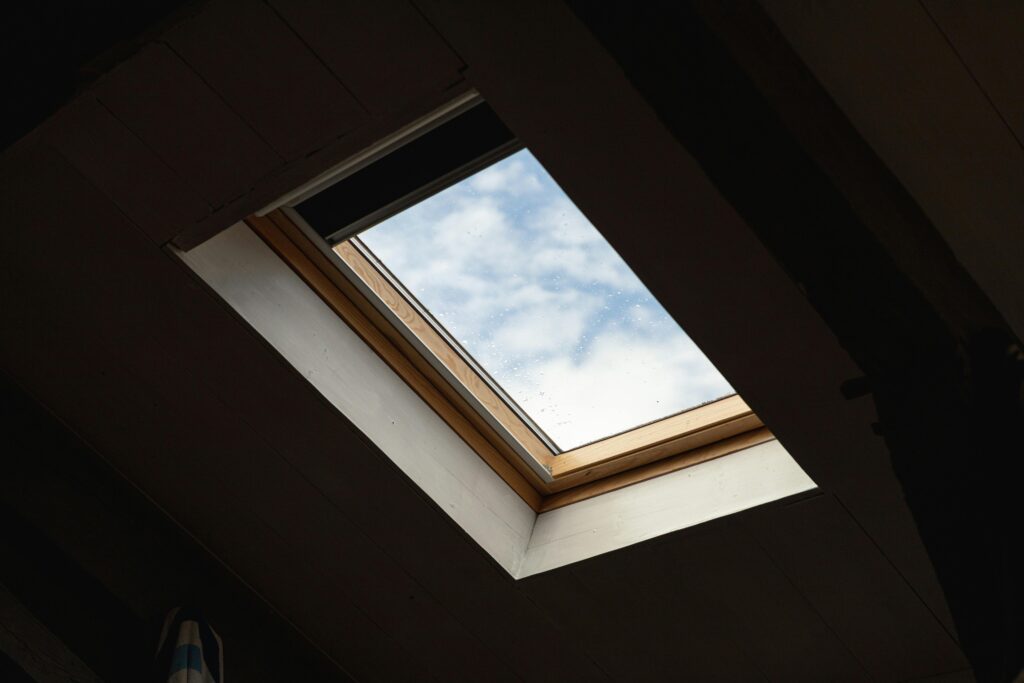
DIY Skylight Shades: A Simple Fix for Heat, Glare, and Privacy
Skylights are great. They bring in natural light, make rooms feel bigger, and can even boost your mood. But there are days when that same sunlight becomes too much. Heat builds up. Glare hits your eyes. Suddenly, your nice bright room feels uncomfortable.
That’s where a skylight shade or cover comes in.
The good news is you don’t need to hire a professional or spend a fortune. With a few tools and a bit of time, you can install your own DIY skylight shade that looks good and works well.
Let’s walk through it step by step.
Why Install a Skylight Shade?
Before getting into the how, it helps to know what you’ll gain:
- Better control over sunlight
- Less heat during warm days
- More privacy when needed
- Protection for furniture from fading
Even a simple shade can make a big difference in comfort.
Choose the Right Type of DIY Shade
There’s no single “best” option. It depends on your space and how often you want to adjust it.
Here are a few simple choices:
1. Fabric Roller Shade
A clean and simple option. You can roll it up or down depending on the light.
2. Tension Rod Curtain
Great for smaller skylights. No drilling required.
3. Magnetic or Velcro Cover
Perfect if you want something removable and quick to install.
4. Reflective Foam Board
Not fancy, but very effective at blocking heat and light.
Pick what fits your needs and skill level.
Tools and Materials You’ll Need
This will vary a bit, but most setups include:
- Measuring tape
- Drill or screwdriver
- Mounting brackets or rods
- Fabric or shade material
- Velcro, magnets, or hooks (depending on your design)
- Pencil for marking
Keep it simple. You don’t need anything complicated.
Step 1: Measure Your Skylight
This is the most important step.
Measure:
- Width
- Length
- Depth (if your skylight is recessed)
Write it down. Measure twice to avoid mistakes.
A good fit makes everything easier later.
Step 2: Prepare Your Shade Material
Cut your fabric or material to size.
Leave a little extra (about 1–2 cm) on each side so it fully covers the opening.
If you’re using fabric:
- Choose something thick enough to block light
- Lighter colors reflect heat better
Step 3: Install Mounting Hardware
This depends on your setup:
- For roller shades: install brackets on each side
- For tension rods: place them inside the frame
- For Velcro or magnets: attach strips along the edges
Use a level if you have one. A straight install makes a big difference visually.
Step 4: Attach the Shade
Now connect your material:
- Slide fabric onto the rod
- Stick Velcro pieces together
- Attach magnets to frame points
Make sure it sits flat and covers the skylight fully.
Step 5: Test and Adjust
Open and close the shade a few times.
Check for:
- Gaps where light sneaks through
- Loose edges
- Smooth movement (if adjustable)
Make small tweaks until it feels right.
Tips to Make It Look Better
A DIY project doesn’t have to look DIY.
- Pick fabric that matches your room
- Keep edges clean and straight
- Hide hardware when possible
- Use neutral tones for a simple look
Small details go a long way.
Common Mistakes to Avoid
- Skipping measurements
- Using material that’s too thin
- Mounting hardware unevenly
- Overcomplicating the design
Keep it simple and practical.
Final Thoughts
Installing a DIY skylight shade is one of those projects that pays off right away. You’ll notice the difference the same day, especially when the sun is at its strongest.
It doesn’t take special skills. Just a bit of planning and patience.
Start simple. You can always upgrade later if you want something more advanced.
And once it’s in place, you’ll wonder why you didn’t do it sooner.