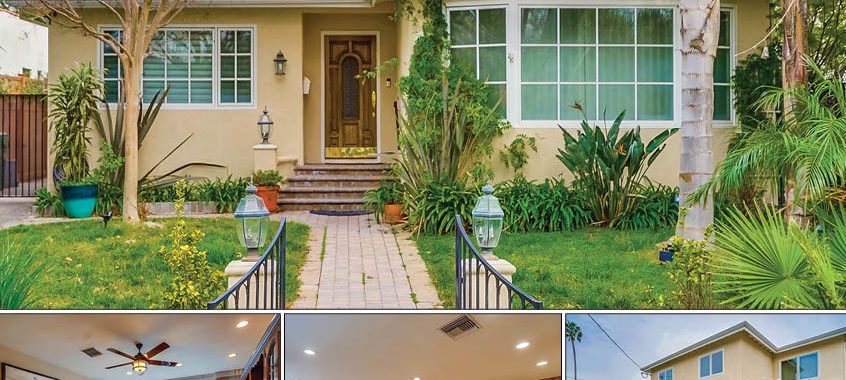
Considering a smaller home in the San Fernando Valley? Here's what long-time Los Angeles homeowners should think through before listing.
After years or decades in the same Los Angeles home, downsizing can feel like both a relief and a leap. Maybe the kids have moved out, the maintenance has become a chore, or you simply want to simplify life and free up equity for the next chapter. Whatever the motivation, downsizing is a bigger decision than just "selling a house" — it touches your finances, your lifestyle, and your long-term plans. Here's what to think through before you put your Sherman Oaks, Studio City, Encino, or greater San Fernando Valley home on the market.
Get Honest About Why You're Downsizing
Before you talk to anyone about listing, get clear on your own "why." Are you looking to reduce monthly upkeep and square footage? Move closer to family? Eliminate stairs or a large yard that's become hard to manage? Free up equity that's currently tied up in your home? Each of these goals points toward a different kind of next home — a single-story condo, a low-maintenance townhome, or a smaller single-family house in a neighboring community. Getting specific about your goals early will shape everything from your timeline to your search criteria, and it will help your agent prioritize the right properties when the time comes.
Understand Your Home's Place in Today's Market
Los Angeles neighborhoods each move at their own pace, and the San Fernando Valley is no exception — Sherman Oaks, Studio City, and Encino can behave quite differently from one another depending on inventory, buyer demand, and seasonality. Before you decide on a listing strategy, it's worth getting a clear, current read on where your home stands. Rather than relying on automated online estimates, which can miss the nuances of your specific street, floor plan, or recent upgrades, it's best to request a personalized property valuation from an agent who knows the micro-market. This gives you a realistic picture to plan around instead of a rough guess.
Think Through the Financial and Tax Picture
Downsizing often means unlocking equity you've built over many years, but the financial picture is rarely as simple as "sell high, buy low." Consider how long you've owned the home and how that may affect your tax situation, including capital gains considerations — this is a conversation worth having with a qualified tax professional before you list, not after. If you've owned your home for a long time, you may also want to understand how a sale could affect your property tax basis on a future purchase; California has specific rules that allow eligible homeowners to carry forward certain tax benefits when they downsize, so it's worth exploring with a tax advisor whether you might qualify. None of this needs to be figured out alone — a good agent can walk you through the general mechanics and point you to the right professionals for the specifics.
Decide: Sell First or Buy First?
This is one of the most practical questions in any downsizing move, and there's no universal right answer. Selling first gives you a clear picture of your proceeds and avoids carrying two mortgages, but it may mean a temporary move or rental gap. Buying first gives you certainty about where you're headed next, but requires careful planning around financing and timing. Some sellers negotiate a rent-back period with their buyer, staying in the home for a set time after closing while they finalize their next move. The right path depends on your comfort with risk, your financing situation, and how tight the timeline needs to be — all things worth mapping out with your agent before you list.
Prepare the Home — And Yourself — For the Process
Downsizing almost always involves some degree of decluttering, and it's worth starting earlier than you think you need to. Sorting through decades of belongings takes time, both logistically and emotionally. Beyond the practical benefit of a cleaner, more spacious-looking home for showings, this process also gives you a head start on moving into a smaller space, where not everything will fit. It's also the time to think honestly about repairs and updates: California requires certain seller disclosures, so addressing known issues upfront, and getting a professional opinion on which cosmetic updates are actually worth making, can save you time and stress later in the transaction.
Think About Lifestyle, Not Just Square Footage
A smaller home is about more than fewer square feet to clean. Think about single-story living versus stairs, proximity to family and medical care, walkability to shops and restaurants, and whether a condo or HOA community might actually suit your next phase of life better than another detached house. The San Fernando Valley offers a wide range of options, from quiet, tree-lined residential streets to more walkable pockets near Ventura Boulevard, so it's worth test-driving a few different neighborhood types rather than assuming you need to replicate your current setup, only smaller.
Lean on Local Experience
Downsizing touches pricing, timing, taxes, logistics, and emotion all at once, which is exactly why having an experienced local team in your corner matters. With more than 17 years representing buyers and sellers across Los Angeles — including extensive work throughout Sherman Oaks, Studio City, Encino, and the broader San Fernando Valley — Michelle Hirsch and the team have guided clients through exactly this kind of transition many times. Partner and Head of Operations Erika Rudner helps keep every moving piece organized so the process feels manageable rather than overwhelming.
If you're starting to think seriously about downsizing, the smartest first step is simply a conversation. Reach out to The Michelle Hirsch Group at (818) 512-4226, visit our contact page to get started, or browse current listings and try our advanced home search to get a feel for what's available in your next-size neighborhood. We're here to help you make this transition with confidence.