
Breathe Easier: How to DIY Improve Indoor Air Quality on a Budget
Indoor air can be more polluted than most people realize. Dust, pet dander, cleaning products, cooking smells, and even outdoor pollution can build up inside your home. The good news is you don’t need expensive gadgets or a full renovation to make a real difference.
With a few low-cost changes and simple habits, you can noticeably improve the air you breathe every day. Here’s how to do it yourself, without breaking the bank.
1. Open Your Windows (Even in Cold Weather)
Fresh air is free and often overlooked. Opening windows for just 10 to 15 minutes a day helps push stale air out and bring cleaner air in.
If it’s cold outside, crack windows in different rooms for a short time. This creates airflow without dropping the temperature too much. After cooking, showering, or cleaning, open a window to clear moisture and odors quickly.
2. Use Exhaust Fans the Right Way
Bathroom and kitchen exhaust fans aren’t just for smells. They remove moisture, smoke, and airborne particles.
Turn the bathroom fan on during showers and let it run for at least 15 minutes afterward. Use the kitchen fan while cooking, especially when frying or using gas burners. If you don’t have a fan, opening a nearby window helps.
3. Make a DIY Air Purifier
You don’t need a fancy air purifier to filter dust and allergens. A basic DIY version can work surprisingly well.
All you need is:
- A box fan
- A high-quality furnace filter (MERV 11 or higher)
Attach the filter to the back of the fan using tape or bungee cords. Make sure the airflow arrow on the filter points toward the fan. This setup can help trap dust, pollen, and pet hair in rooms where you spend the most time.
4. Vacuum Smarter, Not Harder
Vacuuming helps, but only if your vacuum traps particles instead of blowing them back into the air.
If possible, use a vacuum with a HEPA filter. If that’s not an option, vacuum slowly and regularly, especially carpets, rugs, and furniture. Washable rugs and curtains should be cleaned often, since they hold onto dust.
5. Switch to Gentler Cleaning Products
Many strong-smelling cleaners release fumes that linger in the air. These can irritate your lungs and trigger headaches.
Simple swaps can help:
- Use vinegar and water for glass and surfaces
- Baking soda for scrubbing sinks and tubs
- Unscented or lightly scented cleaners instead of heavy fragrances
Your home will still be clean, without the harsh smell hanging around.
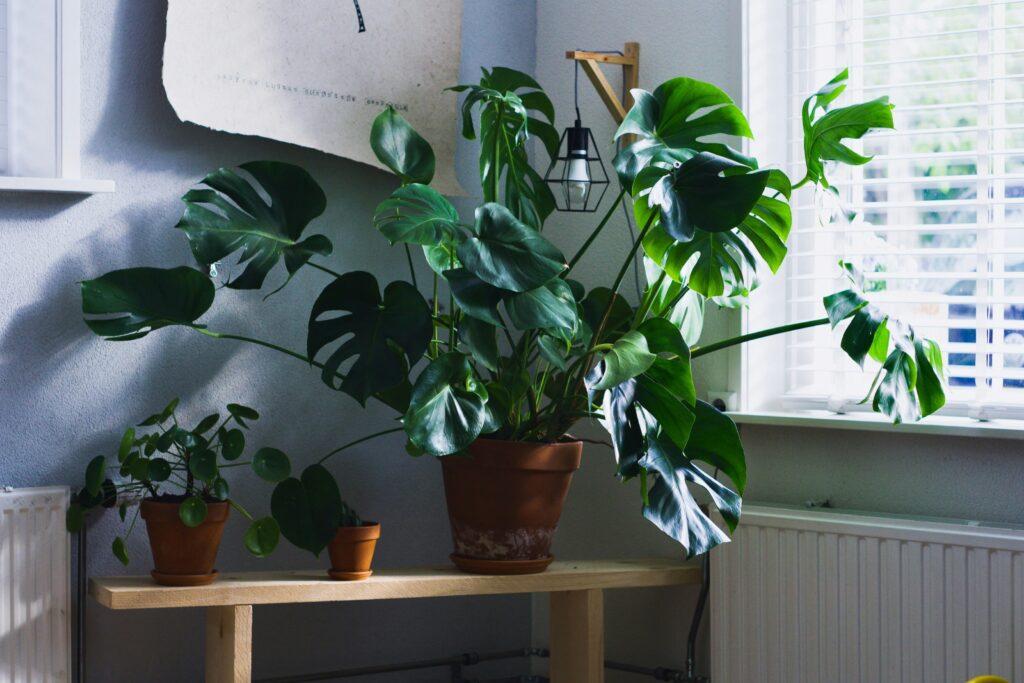
6. Add a Few Air-Friendly Houseplants
Some plants can help with air quality, and they also make your home feel fresher.
Good low-cost options include:
- Snake plant
- Spider plant
- Pothos
While plants won’t solve everything, they can help reduce odors and increase humidity slightly, which is useful in dry homes.
7. Control Moisture to Prevent Mold
Moist air leads to mold, and mold can significantly harm air quality. Maintain humidity levels by addressing leaks, wiping down wet surfaces, and allowing air to circulate.
If you don’t have a dehumidifier, moisture absorbers or even bowls of baking soda in damp areas can help a little. Keep furniture a few inches away from walls to allow airflow.
8. Keep Shoes at the Door
Shoes track in dirt, pollen, and chemicals from outside. Leaving them at the door is one of the easiest ways to keep indoor air cleaner.
Use a small mat or shoe rack near the entrance. This simple habit cuts down on what ends up in your carpets and floating through the air.
Final Thoughts: Small Changes Add Up
Improving indoor air quality doesn’t require a big budget or complicated tools. A few daily habits, some fresh air, and simple DIY solutions can make your home feel cleaner and more comfortable.
Start with one or two changes and build from there. Your lungs will notice the difference, even if your wallet doesn’t.