
DIY Scrap Wood Storage Bin: Keep Your Workshop Neat and Organized
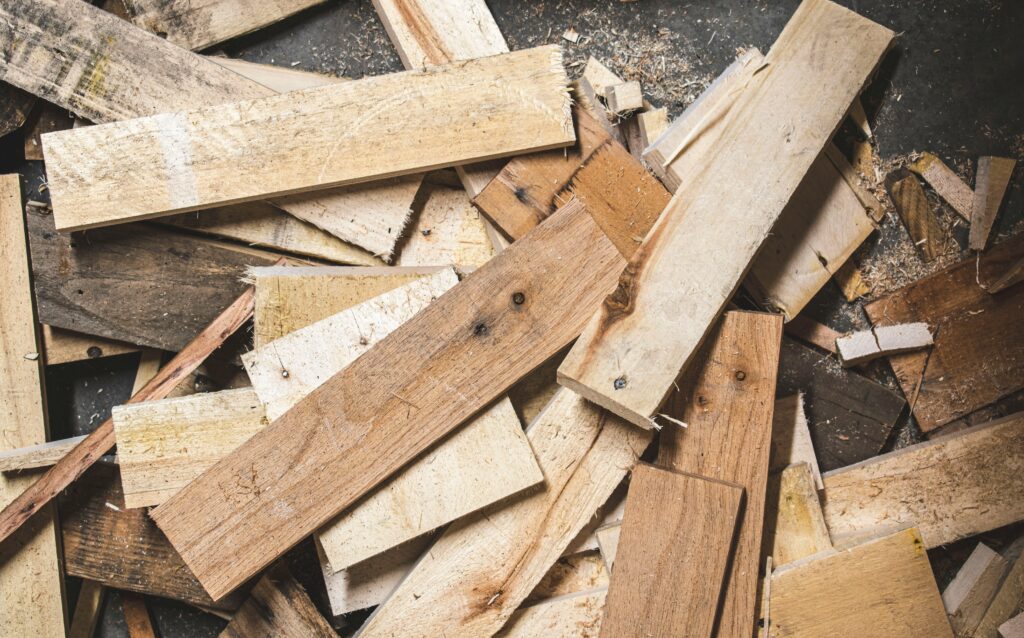
If you work with wood, you know how fast scrap pieces add up. A few offcuts from one project turn into a messy corner before you know it. You don’t want to throw them away because they’re still useful. But digging through a pile every time you need a small piece gets old fast.
The good news? You can build a sturdy scrap wood storage bin in an afternoon using leftover materials. It doesn’t have to be fancy. It just needs to hold your scraps and make them easy to sort.
Here’s how to build one step by step.
Why You Need a Scrap Wood Storage Bin
Before we jump into the build, let’s be honest about the problem.
Loose scraps:
-
Take up valuable floor space
-
Become a tripping hazard
-
Make your shop look cluttered
-
Waste time when you’re searching for the right piece
A simple vertical bin keeps boards upright, easy to see, and off the ground. That alone can make your workspace feel twice as big.
Tools and Materials You’ll Need
You can adjust sizes based on your space, but here’s a basic list:
Materials:
-
3/4″ plywood (for sides and base)
-
2x4s (for frame support)
-
Wood screws (2 1/2″ works well)
-
Wood glue (optional but helpful)
-
Casters (optional, if you want it mobile)
Tools:
-
Circular saw or table saw
-
Drill/driver
-
Tape measure
-
Square
-
Pencil
-
Clamps (if you have them)
Use what you already have. This is a shop project, not fine furniture.
Step 1: Decide on the Size
Start by measuring the space where the bin will go. Common dimensions that work well:
-
24–36 inches wide
-
16–24 inches deep
-
30–48 inches tall
If you mainly store short offcuts, you don’t need a tall bin. If you keep long boards, go taller.
Tip: Build it narrow enough that you can still reach the back without climbing inside.
Step 2: Cut the Panels
From your plywood, cut:
-
1 base panel
-
2 side panels
-
1 back panel
You can leave the front open for easy access.
Example:
If your bin is 36″ wide, 18″ deep, and 36″ tall:
-
Base: 36″ x 18″
-
Sides: 36″ x 18″
-
Back: 36″ x 36″
Keep cuts straight and square. This makes assembly much easier.
Step 3: Build the Base Frame
For extra strength, add a simple frame under the base using 2x4s.
-
Cut two pieces the width of the base
-
Cut two pieces the depth of the base
-
Screw them together into a rectangle
-
Attach the plywood base on top
This keeps the bin from sagging under heavy scraps.
If you’re adding casters, install them on this frame before moving on.
Step 4: Attach the Sides and Back
Stand one side panel on the base.
Pre-drill your holes to prevent splitting.
Add wood glue if you want extra strength.
Screw it into the base and into the 2×4 frame below.
Repeat with the other side.
Then attach the back panel the same way, screwing into both sides and the base.
At this point, you’ll have a sturdy open-front box.
Step 5: Add Dividers (Optional but Helpful)
If your scraps are a mix of long boards and tiny pieces, dividers help a lot.
You can:
-
Add one vertical divider down the center
-
Create separate sections for hardwood and softwood
-
Make a small lower compartment for short offcuts
Even a single divider makes organizing easier.
Step 6: Sand Rough Edges
This isn’t a showpiece, but you don’t want splinters every time you grab a board.
Quickly sand:
-
Top edges
-
Corners
-
Any rough cuts
That’s enough.
Step 7: Load It Up and Organize
Now comes the satisfying part.
Sort your scraps by:
-
Length
-
Thickness
-
Type of wood
Stand longer boards in the back. Keep smaller pieces toward the front.
Try to avoid tossing everything in randomly. A little order now saves time later.
Simple Upgrades You Can Add
If you want to improve it later, consider:
Wheels: Makes cleaning the shop easier.
Labels: Mark sections for different wood types.
Angled Front: Cut the sides slightly lower in front for easier access.
Narrow Slots: Great for storing thin strips upright.
You can always modify it as your scrap pile changes.
Final Thoughts
A scrap wood storage bin won’t win design awards. But it will make your shop feel more organized and easier to work in.
It’s a simple project. It uses leftover materials. And it solves a real problem most woodworkers deal with.
Build it once, and you’ll wonder why you didn’t do it sooner.
If your scrap pile is getting out of control, set aside an afternoon and knock this out. Your future self will thank you.