
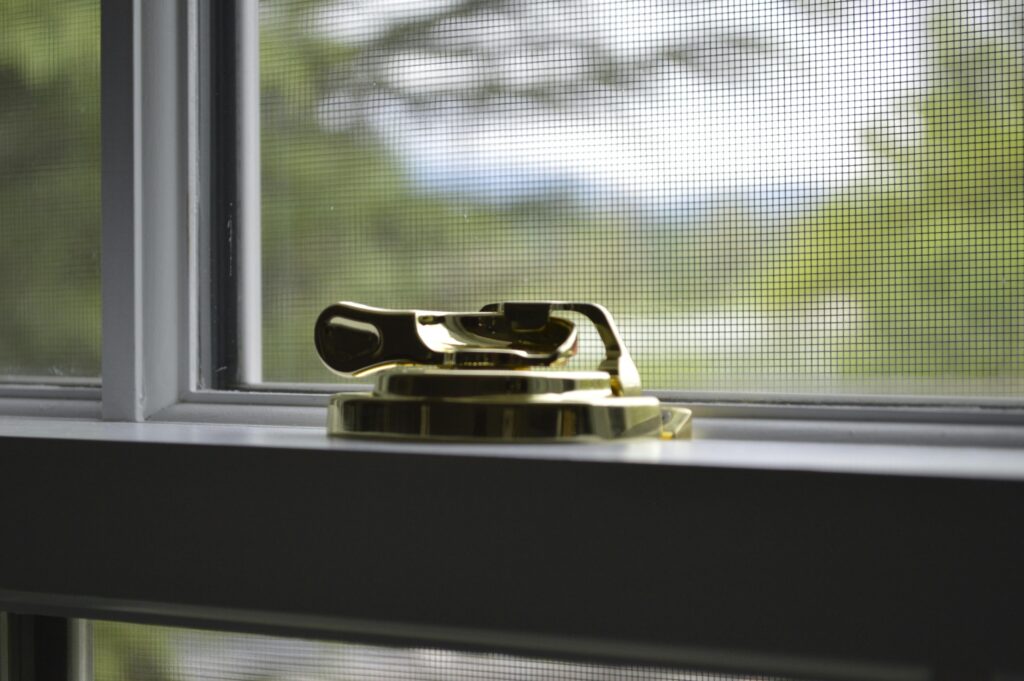
Easy DIY Fixes for a Window Lock That Won’t Engage
A window lock that won’t engage is more than annoying. It can make your home feel less safe and let in drafts, noise, or rain. The good news is that most window lock problems are straightforward and don’t require specialized tools or expertise.
In this guide, I’ll walk you through the most common reasons a window lock won’t engage and show you how to fix each one step by step.
Common Reasons a Window Lock Won’t Engage
Before grabbing tools, it helps to know what’s usually going wrong. Most window lock issues come down to one of these problems:
- The lock and catch are out of alignment
- Dirt, paint, or debris is blocking the lock
- Loose screws or worn hardware
- Warped window frame from age or weather
Once you spot the cause, the fix is usually quick.
Step 1: Check the Alignment First
Close the window slowly and watch how the lock lines up with the catch. If they don’t meet cleanly, the lock won’t engage.
What to do:
- Open the window and inspect the lock and catch
- Look for gaps or uneven spacing
- Gently push the window into place and try locking it again
If the lock works when you push the window, alignment is the problem.
Step 2: Tighten Loose Screws
Over time, screws loosen from daily use. Even a small shift can stop the lock from catching.
How to fix it:
- Use a screwdriver to tighten all screws on the lock and catch
- Don’t overtighten—just snug them up
- Test the lock after tightening
This alone fixes many window lock issues.
Step 3: Clean the Lock and Track
Dirt, dust, and old paint can block the lock from moving freely.
Cleaning tips:
- Wipe the lock with a damp cloth
- Use a toothbrush or small brush to clean tight areas
- Remove dried paint carefully with a plastic scraper
- Dry everything before testing the lock again
A clean lock moves more smoothly and engages better.
Step 4: Adjust the Lock or Catch
If the lock still won’t engage, it may need a small adjustment.
Try this:
- Loosen the screws slightly on the catch
- Move it up, down, or sideways just a bit
- Tighten the screws and test the lock
- Repeat until it clicks into place easily
Small movements make a big difference here.
Step 5: Check for Frame or Window Warping
Older windows can shift due to moisture, heat, or settling. This can throw off the lock position.
Signs of warping:
- Window sticks when opening or closing
- Gaps along one side of the frame
- Lock works only when forced
Temporary fixes like adjusting the catch can help, but severe warping may require a new lock or professional repair.
Step 6: Replace the Lock If Needed
If the lock is cracked, bent, or worn out, replacement is often easier than repair.
Good news:
- Window locks are inexpensive
- Most are held in place with just a few screws
- Hardware stores carry many common styles
Bring the old lock with you to match it correctly.
When to Call a Professional
If the window won’t close properly or the frame is damaged, a professional may be the better option. This is especially true for large windows or older homes where safety is a concern.
Final Thoughts
A window lock that won’t engage is usually a simple fix. In many cases, all it takes is tightening a screw, cleaning the hardware, or making a small adjustment. Take your time, test as you go, and don’t force the lock.
A properly working window lock adds peace of mind—and keeps your home secure.
If you found this guide helpful, consider exploring our other DIY home repair tips for simple ways to maintain your house in good condition.