
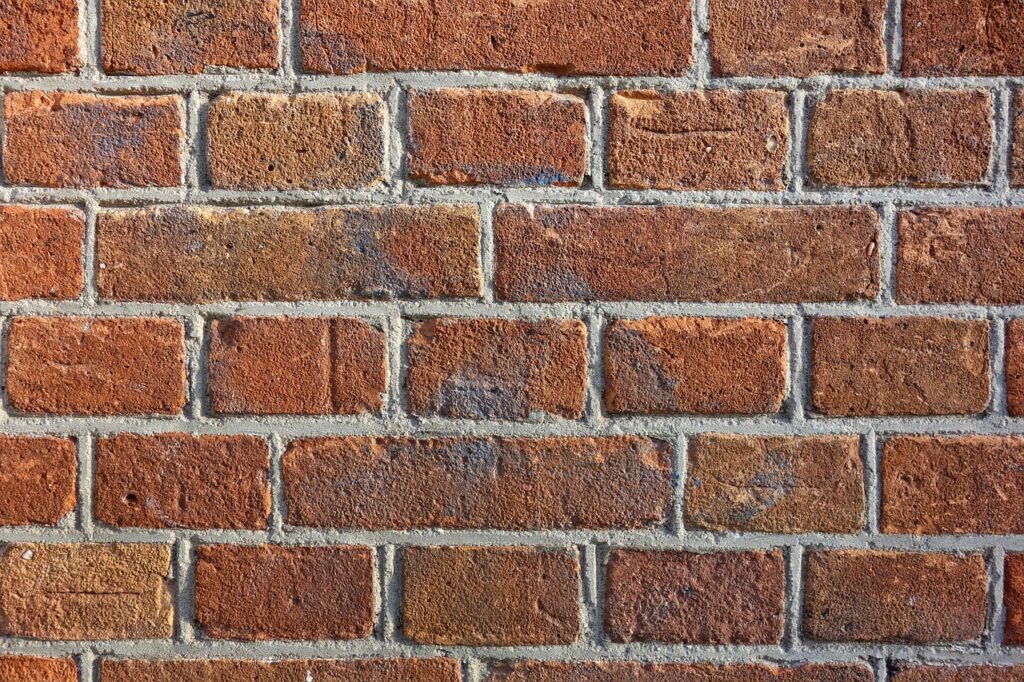
Fixing Cracked Brick Mortar: A Simple DIY Guide Anyone Can Follow
Cracked mortar doesn’t look great, but more importantly, it can let water creep into your walls. The good news is that most small cracks are easy to fix on your own with a little time and a few basic tools. This guide walks you through what to check, how to prep the area, and the best way to repair the damage so it lasts.
Why Mortar Cracks in the First Place
Mortar wears down over time. Weather, shifting soil, and simple age all contribute to the process. A light hairline crack might just be from normal settling. Wider cracks or spots where mortar has fallen out can point to water problems or movement in the wall. Either way, it’s worth fixing early before the damage spreads.
What You Need Before You Start
You don’t need anything fancy. Most of these items are at any hardware store:
- Mortar mix (look for one made for brickwork)
- Small trowel or pointing tool
- Bucket
- Stiff brush
- Chisel or flat screwdriver
- Spray bottle with water
- Safety glasses and gloves
If you’re working on an older home, try to match the new mortar color with the existing one. Bring a broken piece of mortar to the store if you can.
Step 1: Clean Out the Cracked Area
Use your chisel or screwdriver to remove loose or crumbling mortar. You don’t need to dig deep, but clear out anything that’s already failing. Then brush out the dust. The goal is a clean, solid gap for the new mix to grip.
Tip: If the crack is very narrow, scrape it open just enough so fresh mortar can get inside. A gap that’s too thin won’t hold.
Step 2: Lightly Wet the Joint
Mortar bonds better when the surface isn’t bone dry. Mist the joint with your spray bottle until it looks slightly damp, not soaked. This keeps the bricks from pulling moisture out of the new mortar too quickly.
Step 3: Mix the Mortar
Follow the instructions on the bag. You’re aiming for a thick, peanut-butter-like texture. If it’s running off your trowel, it’s too wet. If it crumbles, it’s too dry. Take a minute to get it right.
Step 4: Pack the Mortar Into the Joint
Use your trowel or pointing tool to press the mortar deep into the crack. Fill it completely and smooth the surface so it lines up with the surrounding joints. Work slowly. A small, firm push is better than one big swipe.
If you’re patching several cracks, do one section at a time. This keeps the mortar workable.
Step 5: Shape and Smooth the Joint
After the mortar starts to firm up a little (usually 10 to 20 minutes), run your tool back over it to shape it. Try to match the look of the existing joints. This provides a more natural finish, allowing the repair to blend in seamlessly instead of standing out.
Step 6: Let It Cure Properly
Mortar needs time to set. Keep the repaired area damp for the first day. A light mist every few hours helps. After that, it can dry on its own. Avoid scrubbing or touching it for at least a couple of days.
When You Shouldn’t DIY
If cracks are wide, run across large sections of wall, or grow quickly, a simple patch might not be enough. These can be signs of a foundation issue or water damage inside the wall. In that case, it’s safer to call a pro and have them take a closer look.
Fixing cracked brick mortar is a project most homeowners can handle in an afternoon. With a few simple tools and a little patience, you can stop small problems before they turn into bigger ones. Your wall will look better, and it’ll be more protected from the weather too.