
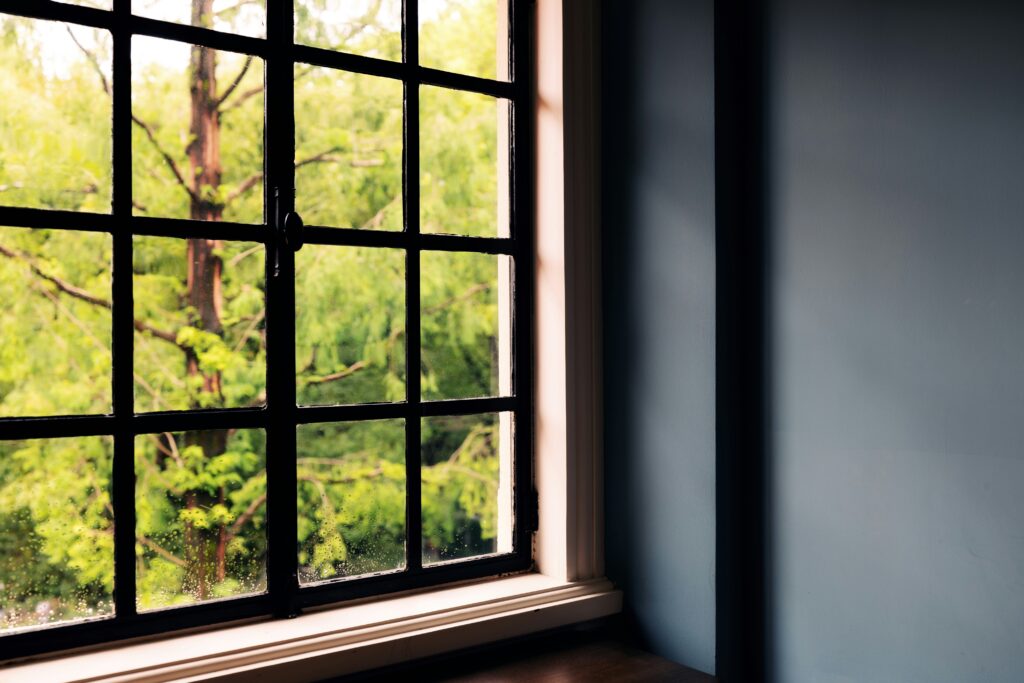
From Basic to Beautiful: Easy Window Trim Ideas You Can DIY
Plain windows can make a room feel unfinished, even if everything else looks great. The good news is you don’t need a full renovation to fix that. Adding trim is one of the simplest ways to upgrade a space. It adds character, frames your windows nicely, and makes everything feel more put together.
This guide walks you through the process in a clear, no-fuss way. You don’t need to be an expert. Just some basic tools, a bit of patience, and a free afternoon.
Why Add Trim Around Windows?
Before jumping in, here’s what trim actually does:
- Makes windows look bigger and more defined
- Covers gaps or rough edges around the frame
- Adds style without spending a lot
- Increases the overall value and feel of your space
Even simple trim can make a big difference.
Tools and Materials You’ll Need
Keep it simple. Here’s a basic list:
- Measuring tape
- Saw (miter saw works best, but a hand saw can do the job)
- Wood trim or molding
- Nails or nail gun
- Hammer
- Wood glue (optional)
- Caulk
- Sandpaper
- Paint or stain
Tip: Pre-primed trim saves time if you plan to paint.
Step 1: Measure Your Window
Start by measuring all four sides of your window:
- Top (header)
- Bottom (sill, if you’re adding one)
- Left and right sides
Write everything down. Double-check your numbers. A small mistake here can throw everything off later.
Step 2: Choose Your Trim Style
There’s no single “right” look. Go with what fits your space:
- Flat boards for a clean, modern feel
- Decorative molding for a more classic look
- Thick trim for a bold statement
If you’re unsure, simple flat trim is the easiest to work with and looks good almost anywhere.
Step 3: Cut the Trim Pieces
Cut your trim based on your measurements.
You have two common options:
- Straight cuts (butt joints): Easier, great for beginners
- Angled cuts (mitered corners): Cleaner look, but takes more precision
If this is your first time, don’t overcomplicate it. Straight cuts work just fine.
Step 4: Dry Fit Before Attaching
Hold each piece in place without nailing it yet.
This helps you:
- Check the fit
- Spot gaps or uneven cuts
- Make quick adjustments
It’s much easier to fix things now than later.
Step 5: Attach the Trim
Start with the top piece, then add the sides.
- Apply a bit of wood glue (optional)
- Nail the trim into the wall or window frame
- Space nails evenly, about every 8–12 inches
Make sure everything stays level as you go.
Step 6: Fill Gaps and Sand
Once all the trim is up:
- Fill nail holes with wood filler
- Run caulk along the edges to seal gaps
- Lightly sand everything smooth once it dries
This step is what makes the trim look clean and finished.
Step 7: Paint or Stain
Now for the final touch.
- Use paint for a crisp, bright look
- Use stain if you want to show off the wood grain
Two thin coats usually look better than one thick coat.
Common Mistakes to Avoid
A few things to watch out for:
- Skipping measurements or guessing sizes
- Not checking alignment before nailing
- Using too much caulk (it gets messy fast)
- Rushing the paint job
Take your time. This project rewards patience.
Final Thoughts
Adding trim around plain windows is one of those projects that looks harder than it is. Once you finish one window, the rest get easier. It’s a small upgrade that can completely change how a room feels.
If your space feels a bit plain or unfinished, this is a great place to start. Simple, affordable, and surprisingly satisfying.
You’ll notice the difference right away.