
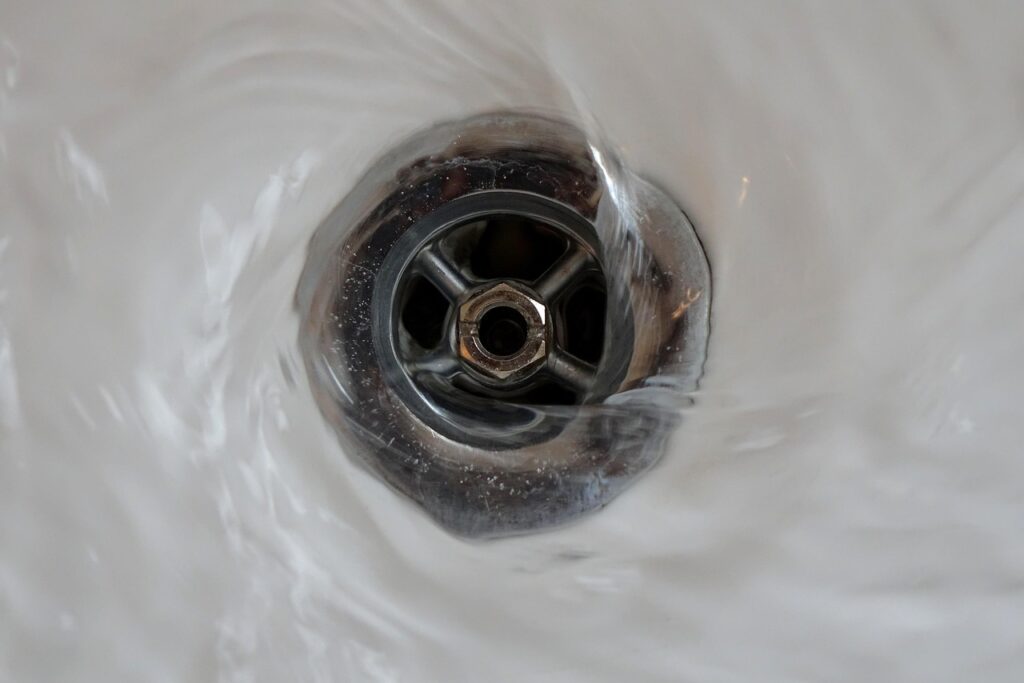
Garbage Disposal Won’t Drain? Simple Fixes You Can Try Today
A garbage disposal that won’t drain fully is more than annoying. It leaves dirty water sitting in the sink, creates unpleasant odors, and makes everyday cleanup more difficult than it should be.
The good news is that most slow-draining disposal problems are caused by simple clogs or buildup. You can often fix them yourself with a few basic tools and a little patience.
This guide walks you through the most common causes and how to repair a garbage disposal that won’t drain fully, step by step.
Why Your Garbage Disposal Isn’t Draining Properly
Before jumping into repairs, it helps to know what usually causes the problem. In most homes, slow drainage comes from one of these issues:
- Food scraps stuck in the disposal or drain pipe
- Grease buildup that hardens over time
- A partial clog in the P-trap under the sink
- A blocked dishwasher drain line connected to the disposal
Once you understand the cause, the fix becomes much easier.
Step 1: Turn Off the Power First
Safety comes first. Never work on a garbage disposal while it has power.
- Unplug the disposal from under the sink
- If it’s hardwired, turn off the breaker at the panel
Double check that it won’t turn on before putting your hands anywhere near it.
Step 2: Check for Visible Food Buildup
Shine a flashlight down into the disposal opening.
If you see food stuck around the sides or bottom, that could be slowing the drain. Use tongs or pliers to pull debris out. Never use your fingers, even if the power is off.
Once cleared, run hot water and see if drainage improves.
Step 3: Flush the Disposal With Hot Water and Dish Soap
Grease is a common reason disposals won’t drain fully. It coats the inside of the pipes and traps food particles.
Here’s an easy way to break it down:
- Squirt a generous amount of dish soap into the disposal
- Run very hot water for 1 to 2 minutes
- Turn the disposal on while the water is running
If grease was the problem, you should notice faster drainage right away.
Step 4: Clear the P-Trap Under the Sink
If water still isn’t draining fully, the clog may be below the disposal.
The P-trap is the curved pipe under your sink. This is where food and grease often collect.
How to clean it:
- Place a bucket under the pipe
- Unscrew the slip nuts by hand or with pliers
- Remove the trap and dump out the contents
- Rinse it thoroughly before reinstalling
Once reattached, run water and test the drain again.
Step 5: Check the Dishwasher Drain Line
If your dishwasher drains into the garbage disposal, a blockage here can cause water to back up.
Look for the small hose running from the dishwasher to the disposal. Disconnect it and check for food or grease buildup inside. Rinse it out if needed, then reconnect securely.
Step 6: Use a Sink Plunger if Needed
A regular sink plunger can help move stubborn clogs further down the line.
- Fill the sink with enough water to cover the plunger cup
- Place the plunger over the drain
- Push and pull firmly several times
After plunging, run hot water to see if the drain clears.
What Not to Do When Fixing a Slow Draining Disposal
Avoid these common mistakes, as they can make the problem worse:
- Do not pour harsh chemical drain cleaners into the disposal
- Do not force objects down the drain
- Do not run the disposal without water
These actions can damage the unit or your plumbing.
How to Prevent Garbage Disposal Drain Problems
Once your disposal is draining properly again, a few habits can keep it that way:
- Always run cold water while using the disposal
- Avoid putting grease, oil, or fat down the drain
- Cut food scraps into smaller pieces
- Flush with hot water and dish soap once a week
Small steps like these go a long way.
When It’s Time to Call a Professional
If you’ve tried all these steps and your garbage disposal still won’t drain fully, the issue may be deeper in the plumbing system. At that point, a licensed plumber can inspect the drain line and safely repair the problem.
Final Thoughts
A garbage disposal that won’t drain fully doesn’t always mean an expensive repair. In many cases, a simple cleaning or minor clog removal is all it takes.
By following the steps above, you can restore proper drainage, avoid bad odors, and keep your kitchen sink running smoothly. And best of all, you can often fix the problem yourself in under an hour.