
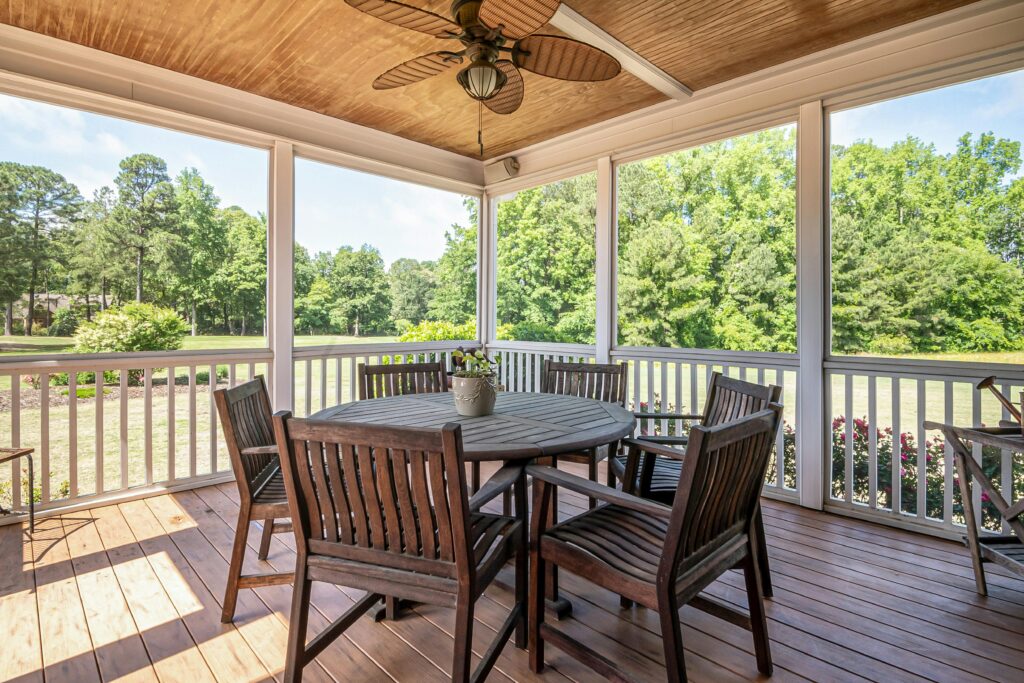
How to Build a Patio Roof Extension Without Overcomplicating It
A patio is great, but once the sun gets too harsh or the rain starts, it quickly becomes unusable. That’s where a roof extension comes in. It gives you shade, keeps your furniture dry, and makes your outdoor space feel like a true extension of your home.
The good news is you don’t need to be a pro builder to pull this off. With some planning, the right tools, and a bit of patience, you can build a solid patio roof yourself.
Let’s break it down into simple, manageable steps.
Why Build a Patio Roof Extension?
Before jumping in, it helps to know what you’re getting out of it:
-
More usable outdoor space year-round
-
Protection from sun and rain
-
Better home value and curb appeal
-
A comfortable spot for relaxing or hosting
Even a basic roof can make a big difference.
Step 1: Plan Your Design
Start with a clear plan. This saves time and avoids costly mistakes later.
Ask yourself:
-
How big should the roof be?
-
Do you want it attached to your house or freestanding?
-
What style fits your home? (flat, sloped, or gable)
Most homeowners go with a simple sloped (lean-to) design. It’s easier to build and helps rainwater run off naturally.
Tip: Check your local building rules before starting. Some areas require permits.
Step 2: Gather Your Materials and Tools
You don’t need anything fancy, but quality matters.
Common materials:
-
Wooden posts (pressure-treated)
-
Beams and rafters
-
Roofing sheets (metal, polycarbonate, or shingles)
-
Concrete mix for footings
-
Screws, bolts, and brackets
Basic tools:
-
Drill
-
Saw
-
Level
-
Measuring tape
-
Ladder
Having everything ready before you start keeps the process smooth.
Step 3: Set the Posts
The posts hold everything up, so take your time here.
-
Mark where each post will go
-
Dig holes about 2 feet deep
-
Place the posts and fill with concrete
-
Use a level to keep them straight
Let the concrete dry fully before moving on. This step builds the foundation for the entire structure.
Step 4: Install the Main Beam
Once your posts are secure, attach a horizontal beam across the top.
-
This beam connects the posts
-
It carries the weight of the roof
-
Make sure it’s level and tightly secured
If your roof attaches to the house, you’ll also install a ledger board on the wall.
Step 5: Add the Rafters
Rafters run from the house (or back beam) to the front beam.
-
Space them evenly (usually 16 to 24 inches apart)
-
Angle them slightly for water runoff
-
Secure them with brackets or screws
This is where the structure starts to look like a roof.
Step 6: Install Roofing Material
Now for the part that actually keeps you dry.
Popular options:
-
Metal sheets (durable and low maintenance)
-
Polycarbonate panels (let light through)
-
Shingles (match your house roof)
Attach your chosen material according to its instructions. Make sure everything is sealed properly to avoid leaks.
Step 7: Add Finishing Touches
This is where you make it look good and last longer.
-
Paint or seal the wood
-
Add gutters to direct rainwater
-
Install lighting or a ceiling fan if needed
Small details can turn a basic structure into a comfortable outdoor space.
Common Mistakes to Avoid
A few things can trip you up if you’re not careful:
-
Skipping the planning stage
-
Not securing posts properly
-
Forgetting proper slope for drainage
-
Using low-quality materials
Take your time and do each step right the first time.
Final Thoughts
Building a patio roof extension might seem like a big project, but it’s very doable when you break it into steps. You don’t need to rush. Focus on getting the structure solid, and everything else will fall into place.
Once it’s done, you’ll wonder how you ever used your patio without it. Whether it’s for morning coffee, weekend hangouts, or just staying dry during a sudden rain, that extra cover makes your space far more enjoyable.