
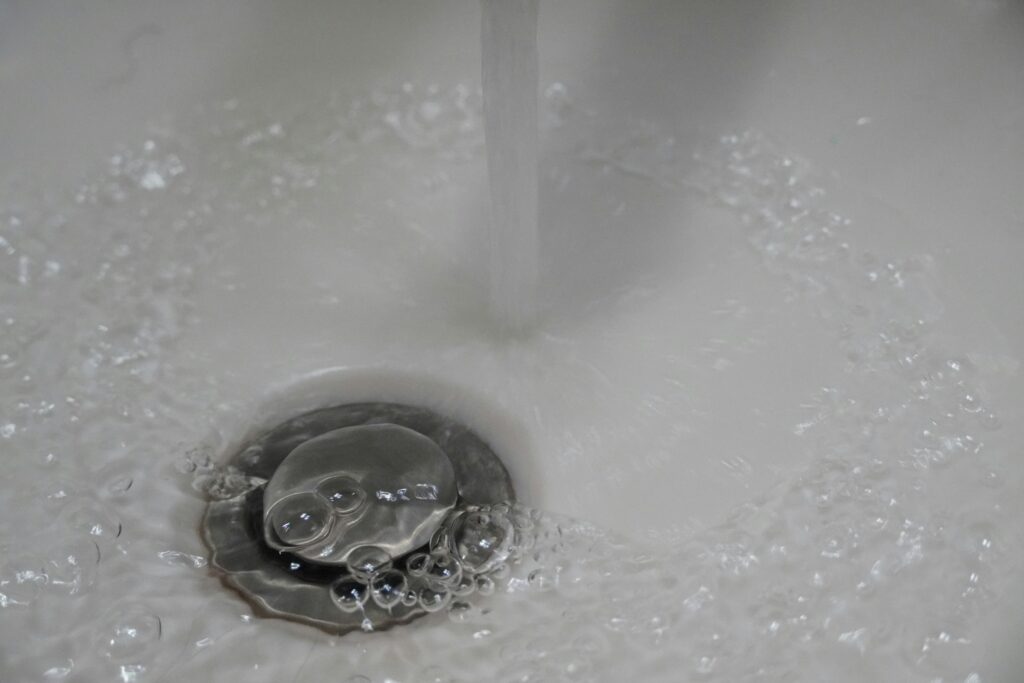
One Small Crack, Big Leak: How to Replace a Sink Drain Flange
A cracked sink drain flange might seem like a small problem, but it can lead to leaks, water damage, and a mess under your sink. The good news is that replacing it is easier than most people think. You don’t need special skills or expensive tools. Just a little time and patience.
In this guide, I’ll walk you through the process step by step so you can fix it yourself and get your sink back in working order.
What Is a Sink Drain Flange?
The drain flange is the metal ring you see at the bottom of your sink. It connects the sink basin to the drain pipe below. Over time, it can crack due to age, rust, or too much tightening. Once it’s damaged, water can slip through and leak under the sink.
Signs Your Drain Flange Needs Replacing
You may need a new drain flange if you notice:
-
Water leaking under the sink
-
Rust or visible cracks around the drain
-
A loose or wobbly drain
-
Musty smells from trapped moisture
If you see any of these, it’s best to replace the flange sooner rather than later.
Tools and Materials You’ll Need
Before you start, gather these items:
-
Replacement sink drain flange
-
Plumber’s putty
-
Adjustable wrench or pliers
-
Bucket or towel
-
Screwdriver (if needed)
Having everything ready will make the job go faster.
Step-by-Step: How to Replace a Cracked Sink Drain Flange
1. Clear Out the Area
Remove everything from under the sink. Place a bucket or towel underneath to catch any water that drips out.
2. Disconnect the Drain Pipe
Use your wrench or pliers to loosen the nut holding the drain pipe to the sink. Gently pull the pipe down and set it aside.
3. Remove the Old Drain Flange
From under the sink, loosen the large nut holding the flange in place. Once it’s loose, go back to the top of the sink and lift the old flange out.
4. Clean the Sink Opening
Scrape away old putty or sealant from the sink hole. Wipe the area clean so the new flange can seal properly.
5. Apply Plumber’s Putty
Roll a small amount of plumber’s putty between your hands into a thin rope. Press it around the underside of the new flange.
6. Install the New Flange
Insert the flange into the sink opening and press it down firmly. From underneath, tighten the nut until the flange feels snug. Don’t overdo it. Too much force can cause cracks.
7. Reconnect the Drain Pipe
Attach the drain pipe back in place and tighten the connection securely.
8. Test for Leaks
Turn on the faucet and let water run for a minute. Check under the sink for leaks. If everything stays dry, you’re done.
Common Mistakes to Avoid
-
Skipping the plumber’s putty
-
Overtightening the flange
-
Forgetting to clean off old sealant
-
Not checking for leaks before putting items back
Avoid these, and the repair should last for years.
Final Thoughts
Replacing a cracked sink drain flange is one of those home repairs that sounds harder than it really is. With basic tools and a clear plan, you can fix the problem in under an hour and save money in the process.
If you ever notice leaks or rust around your sink drain, don’t ignore it. A quick fix now can prevent bigger headaches later.