
Save Your Shrubs This Winter with This Simple Snow Barrier Trick
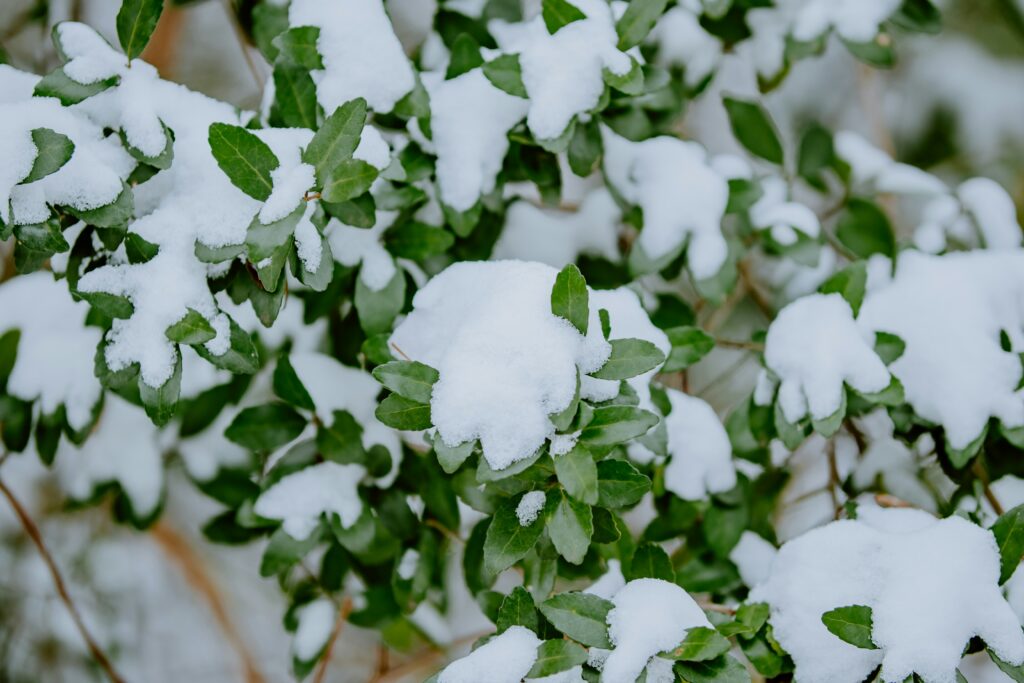
Heavy snow looks beautiful in your yard. Until it flattens your shrubs.
If you’ve ever walked outside after a storm and found branches bent or split under the weight of snow, you know how frustrating it can be. The good news? You don’t need expensive materials or special tools to prevent it. A simple snow barrier can protect your shrubs all winter long.
In this guide, I’ll walk you through exactly how to build one step by step.
Why Shrubs Need Protection in Winter
Snow doesn’t just sit lightly on top of plants. Wet, heavy snow can:
-
Bend branches to the ground
-
Snap weak stems
-
Split shrubs down the center
-
Cause long-term shape damage
Wind makes it worse by pushing snow sideways and piling it up around your plants.
A snow barrier acts like a shield. It blocks wind, reduces snow buildup, and helps your shrubs keep their shape until spring.
What You’ll Need
You probably already have most of this at home:
-
Wooden stakes (3–4 per shrub)
-
Burlap fabric or snow fencing
-
Hammer or mallet
-
Twine or zip ties
-
Measuring tape (optional)
-
Gloves
That’s it. No power tools required.
Step 1: Measure the Area Around the Shrub
Start by looking at the shrub you want to protect.
You don’t need to wrap it tightly. Instead, you’ll build a small fence around it. Leave about 6–12 inches of space between the shrub and the barrier. This gives the plant room to breathe and prevents moisture buildup.
If your shrub is wide, plan for a square or circle of stakes around it.
Step 2: Install the Stakes
Push or hammer the stakes into the ground around the shrub.
-
Space them evenly
-
Make sure they’re firm and stable
-
Leave at least 2–3 feet above ground, depending on shrub height
The barrier should be slightly taller than the shrub itself to block drifting snow.
If the ground is frozen, you may need to install stakes earlier in the season before it hardens.
Step 3: Attach the Burlap or Snow Fencing
Now wrap the burlap around the outside of the stakes.
-
Keep it snug but not tight
-
Secure it with twine or zip ties
-
Make sure it doesn’t press directly against the shrub
If you’re using snow fencing, attach it the same way. The goal is to create a windbreak, not seal the shrub completely.
Avoid using plastic. It traps moisture and can cause mold or rot.
Optional: Add Light Support Inside the Shrub
For extra protection, you can gently tie branches together with soft twine before installing the barrier.
Don’t pull them too tight. Just bring them inward slightly to prevent heavy snow from spreading them apart.
This works especially well for shrubs with loose or open growth.
When to Install a Snow Barrier
The best time is late fall, before the first major snowfall.
In most areas, that’s somewhere between late October and early December. Once snow starts piling up, it’s harder to work around your plants.
Remove the barrier in early spring once heavy snow is no longer a risk.
Which Shrubs Benefit Most?
Not all shrubs need protection, but these often do:
-
Young or newly planted shrubs
-
Boxwoods
-
Arborvitae
-
Hydrangeas
-
Upright evergreens
If a shrub has soft branches or holds snow easily, it’s a good candidate.
Common Mistakes to Avoid
Keep it simple and avoid these common errors:
-
Wrapping shrubs tightly in plastic
-
Tying branches too tightly
-
Installing barriers too late
-
Forgetting to remove them in spring
Your goal is protection, not suffocation.
A Simple Barrier Makes a Big Difference
You don’t need a big budget or professional help to protect your shrubs. A few stakes and some burlap can save you from broken branches and misshapen plants come spring.
It’s a small weekend project that pays off for months.
Once the snow melts and your shrubs stand tall and healthy, you’ll be glad you took the time to protect them.
If you’re getting ready for winter yard prep, this is one of the easiest upgrades you can make.
Stay warm, and happy gardening.