
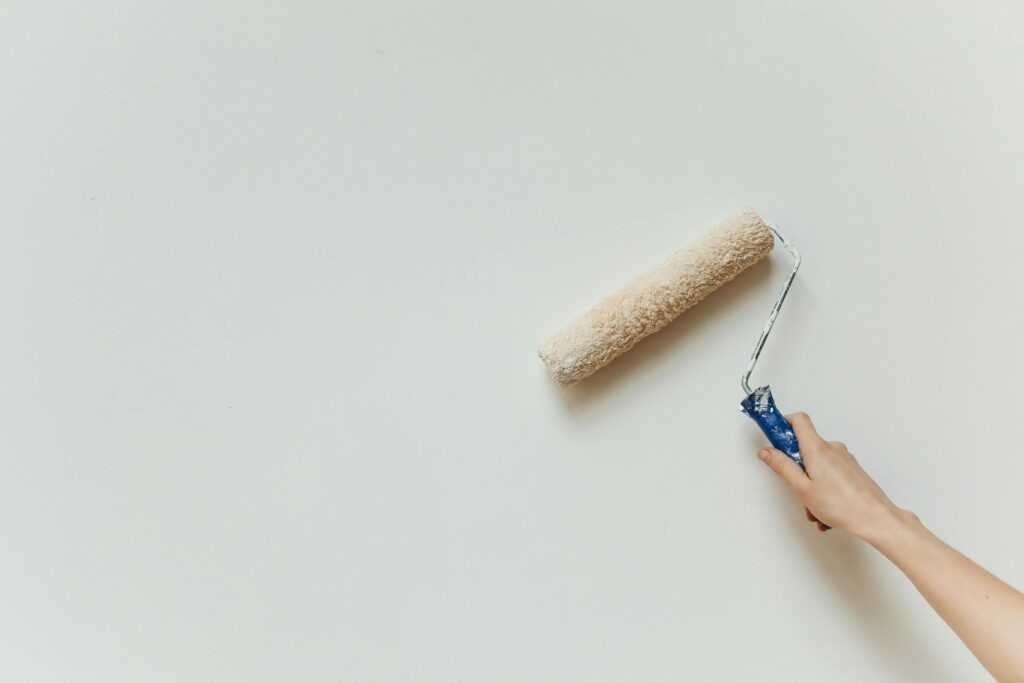
Smooth Walls in 7 Easy Steps: Make Patch Repairs Invisible
Patch repairs fix holes and dents in drywall, but they often leave a new problem behind. The repaired spot looks smooth while the rest of the wall has texture. Once you paint, that patch can stand out even more.
The good news is that blending the repair into the existing wall texture is easier than most people think. With a few basic tools and a little patience, you can smooth and blend the surface so the repair disappears.
This guide walks through simple steps to help your patched wall look even again.
Why Patch Repairs Often Look Uneven
When drywall is repaired, joint compound is used to fill and level the damaged area. Once it dries, it usually ends up smoother than the surrounding wall.
Most walls have some level of texture, even if it looks subtle. When light hits the wall, that difference in texture becomes obvious. The key is to blend the patch with the rest of the wall before painting.
Tools You’ll Need
You don’t need anything fancy. Most of these tools are easy to find at any hardware store.
Basic supplies:
-
Fine-grit sandpaper (120–220 grit)
-
Sanding sponge or sanding block
-
Joint compound
-
Putty knife (6–10 inch works well)
-
Damp sponge or cloth
-
Primer
-
Matching wall paint
Optional but helpful:
-
Spray texture or texture sponge
-
Drywall mud pan
Step 1: Let the Patch Fully Dry
Before doing anything, make sure the joint compound is completely dry.
If it still feels cool or soft, give it more time. Sanding too early can tear the surface and make the repair worse.
Dry patches are easier to smooth and blend.
Step 2: Lightly Sand the Patched Area
Use fine-grit sandpaper or a sanding sponge.
Sand the patch gently and focus on the edges where the repair meets the wall. The goal is to soften that transition so it doesn’t create a noticeable bump.
Tips for better sanding:
-
Use light pressure
-
Sand in circular motions
-
Wipe dust away as you go
You’re not trying to remove the patch, just blend it into the surrounding surface.
Step 3: Feather the Edges With a Thin Coat of Compound
Sometimes sanding alone isn’t enough.
Apply a very thin layer of joint compound over and slightly beyond the repair area. This is called feathering.
Use a wide putty knife and pull the compound outward so it gradually thins into the wall.
The wider the feathered area, the less visible the patch will be later.
Let this coat dry completely.
Step 4: Sand Again for a Smooth Blend
Once the feather coat dries, sand the area again using fine-grit sandpaper.
Focus on making the surface feel even when you run your hand across it.
A quick trick:
Close your eyes and lightly move your hand over the repair. If you feel a ridge, sand a little more.
Wipe away dust with a damp cloth before moving to the next step.
Step 5: Match the Wall Texture
If the wall has noticeable texture, you may need to recreate it.
A few simple ways to do this:
Sponge technique
Lightly dab a damp sponge into thin joint compound and tap it onto the patch.
Dry roller method
Use a paint roller with very little compound and roll lightly over the surface.
Spray texture
For orange peel or knockdown walls, a texture spray can help match the pattern.
The goal is not perfection. You just want the patch to blend with the surrounding texture.
Step 6: Prime Before Painting
Never skip primer after drywall repairs.
Joint compound absorbs paint differently than drywall, which can make the patch flash through the paint later.
Apply a coat of primer and let it dry fully.
Once primed, check the wall again. If you notice uneven areas, lightly sand and touch up before painting.
Step 7: Paint the Wall
Now you’re ready to paint.
For best results:
-
Use the same paint finish as the rest of the wall
-
Blend paint outward from the patch
-
Consider painting the entire wall if the repair area is large
This helps the repair disappear completely.
Common Mistakes to Avoid
Many patch repairs look obvious because of small mistakes.
Avoid these common issues:
Skipping sanding
This leaves raised edges around the patch.
Applying too much compound
Thick layers create bumps and require more sanding.
Forgetting primer
Paint may dry unevenly and reveal the repair.
Trying to match texture too perfectly
Overworking the texture can make the spot more noticeable.
Simple and subtle usually works best.
Final Thoughts
Wall patch repairs don’t have to leave behind visible marks. With careful sanding, a thin feather coat, and a little texture blending, you can make repairs almost invisible.
Take your time with each step. Most of the magic happens in the sanding and feathering stages.
Once the wall is primed and painted, the patched area should blend in smoothly and look like it was never damaged in the first place.