
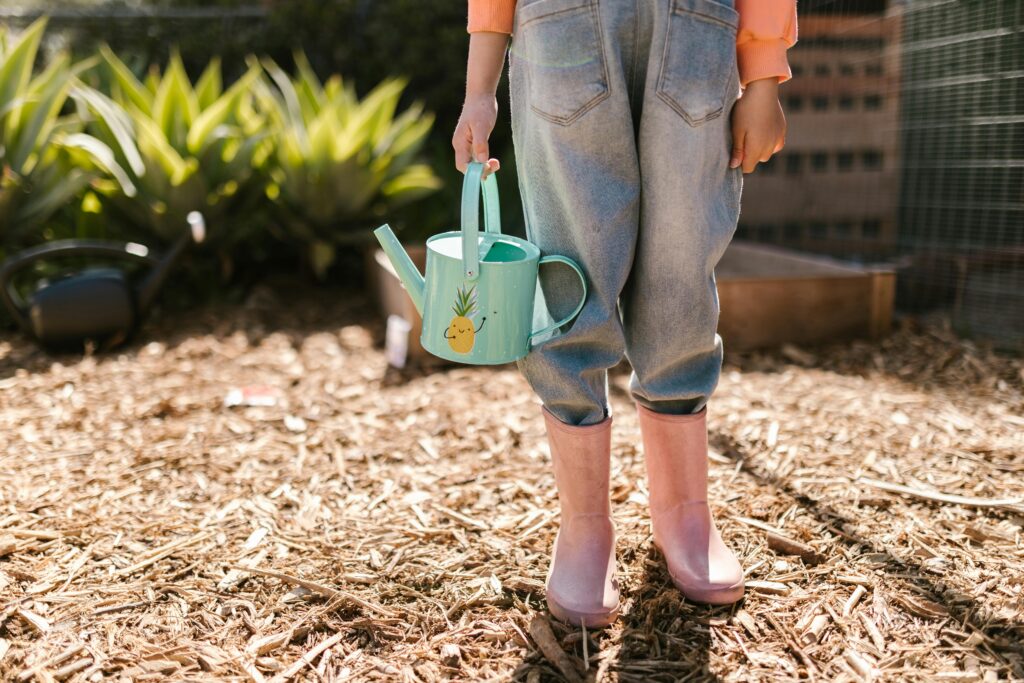
The Easiest Way to Create a Mulch Pathway That Actually Lasts
A mulch pathway is one of the easiest ways to make your garden look more organized without spending much money. It helps keep shoes clean, reduces weeds, and gives your yard a finished feel. Best of all, you can build one in a single afternoon using basic tools.
If you want a natural-looking path that blends into your landscape, a mulch pathway is a great place to start.
Below is a simple, step-by-step guide that works for beginners and experienced gardeners alike.
Why Choose a Mulch Pathway?
Mulch paths are practical and forgiving. They don’t require precise cuts, heavy equipment, or special skills.
Here’s why people love them:
-
Affordable materials
-
Easy to install and adjust
-
Soft underfoot
-
Natural look that fits most yards
-
Helps control mud and weeds
They work well between garden beds, in vegetable gardens, or as walkways through a backyard.
Supplies You’ll Need
You don’t need much to get started. Most of these items are easy to find at a garden center or hardware store.
-
Mulch (wood chips, bark, or shredded mulch)
-
Shovel or spade
-
Rake
-
Garden edging (optional)
-
Landscape fabric or cardboard (optional)
-
Utility knife or scissors
-
Wheelbarrow (helpful but not required)
Step 1: Plan Your Path
Start by deciding where the path will go. Walk the route a few times and notice how it feels underfoot. Curves often look more natural than straight lines, especially in gardens.
Use a hose, string, or spray paint to mark the outline. A width of 2 to 3 feet is comfortable for walking.
Step 2: Clear the Area
Remove grass, weeds, and loose soil from the path area. Dig down about 2 to 3 inches so the mulch won’t spill over the edges later.
Take your time here. A clean base makes the rest of the job easier and helps the path last longer.
Step 3: Add a Weed Barrier (Optional but Helpful)
If weeds are a problem in your yard, this step is worth it.
Lay landscape fabric or flattened cardboard over the cleared soil. Cut holes or slits where needed to fit the shape of the path. This layer blocks weeds while still allowing water to drain.
Step 4: Install Edging (Optional)
Edging helps keep mulch in place and gives the path a neat outline. Plastic, metal, or wood edging all work.
This step isn’t required, but it does reduce cleanup later, especially after heavy rain.
Step 5: Spread the Mulch
Pour mulch onto the path and spread it evenly with a rake. Aim for a depth of about 2 to 3 inches. Too thin and it won’t last. Too thick and it can feel unstable.
Walk on the path a bit to help it settle, then add more mulch if needed.
Step 6: Final Touches
Tidy the edges and remove any stray mulch from nearby plants or grass. Step back and check the flow of the path. Adjust curves or depth as needed.
That’s it. Your mulch pathway is ready to use.
Maintenance Tips for Mulch Paths
Mulch paths are low-maintenance, but they do need a little care.
-
Top up mulch once or twice a year
-
Pull weeds before they get established
-
Rake the surface occasionally to keep it level
Over time, mulch breaks down and improves the soil underneath, which is a bonus.
Final Thoughts
A simple mulch pathway can completely change how your garden feels. It adds structure, keeps things cleaner, and makes walking through your space more enjoyable.
You don’t need fancy tools or a big budget. Just a clear plan, a bit of time, and a willingness to get your hands dirty.
If you’re looking for an easy project with real impact, this is a great place to start.