
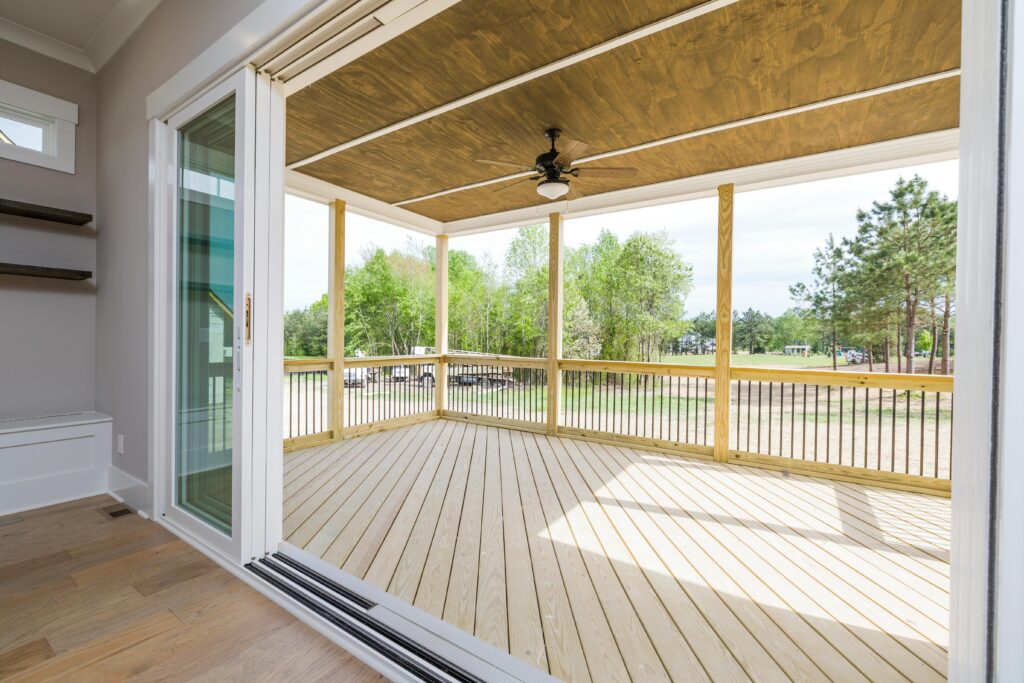
The Easy Fix for a Stubborn Sliding Door: Worn Roller Replacement
A sliding door that sticks, grinds, or refuses to glide is more than annoying. It can feel like you’re fighting the door every time you open it. In most cases, the problem isn’t the door itself. It’s the worn rollers underneath.
The good news? Replacing sliding door rollers is a job most homeowners can handle with basic tools and a little patience. In this guide, I’ll walk you through the process step by step, without complicated terms or guesswork.
Signs Your Sliding Door Rollers Need Replacing
Before you grab your tools, make sure the rollers are actually the issue. Common signs include:
- The door feels heavy or hard to slide
- You hear scraping or grinding noises
- The door jumps or tilts when moving
- Adjusting the roller screws doesn’t help anymore
If cleaning the track and adjusting the rollers hasn’t fixed the problem, replacement is usually the next step.
Tools and Supplies You’ll Need
You don’t need anything fancy. Most of these are common household tools:
- Flathead screwdriver
- Phillips screwdriver
- Putty knife or pry bar
- Replacement sliding door rollers (match your door model)
- Vacuum or small brush
- Silicone spray (optional but helpful)
Tip: Take the old rollers with you to the hardware store to make sure you get the right match.
Step 1: Remove the Sliding Door Safely
Sliding doors can be heavy, so it’s best to have another person help.
- Lift the door straight up into the top track
- Pull the bottom of the door toward you
- Angle it out and set it down gently on a flat surface
If the door won’t lift easily, check for adjustment screws at the bottom and turn them to lower the rollers first.
Step 2: Take Out the Old Rollers
Once the door is off:
- Locate the rollers at the bottom corners
- Remove the screws holding them in place
- Slide the rollers out of the frame
This is a good time to inspect them. Most worn rollers will look bent, rusty, or clogged with dirt.
Step 3: Clean the Door Track
Before installing the new rollers, clean the track thoroughly.
- Vacuum loose dirt and debris
- Use a brush or rag to wipe it down
- Apply a light silicone spray if the track is dry
A clean track makes a significant difference in how smoothly the door slides.
Step 4: Install the New Rollers
Now for the easy part:
- Slide the new rollers into the same slots
- Secure them with the screws you removed earlier
- Keep the rollers slightly raised for now
Don’t fully adjust them yet. That comes after the door is back in place.
Step 5: Reinstall the Sliding Door
With help:
- Lift the door into the top track
- Swing the bottom back into position
- Set it down gently onto the rollers
Ensure the door is sitting evenly before proceeding.
Step 6: Adjust the Rollers for a Smooth Slide
Use a screwdriver to turn the adjustment screws at the bottom of the door.
- Turn slowly and test as you go
- Adjust both sides evenly
- Aim for a smooth glide without wobbling
The door should move easily with one hand and sit straight in the frame.
Final Check and Simple Maintenance Tips
Slide the door back and forth a few times. If it feels smooth and quiet, you’re done.
To keep your rollers in good shape:
- Clean the track every few months
- Avoid grease that collects dirt
- Fix small issues before they get worse
Wrapping Up
Replacing worn sliding door rollers might sound like a big job, but it’s one of those repairs that pays off fast. A door that glides smoothly feels better, works better, and puts less strain on the frame.
With the right rollers and a little time, you can bring your sliding door back to life without calling in a pro.
If your door still doesn’t slide well after this, the track itself may be damaged, but in most cases, new rollers solve the problem.